
Understanding Forex Position Trading: Strategies and Techniques
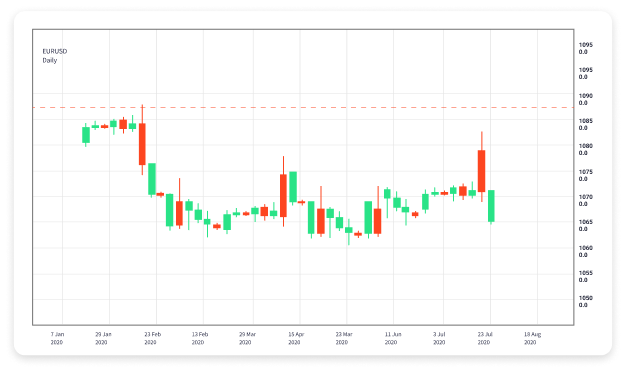
Forex position trading is an investment strategy that focuses on making long-term trades based on market fundamentals, economic indicators, and overall trends. Unlike day trading or scalping, which involves rapid buying and selling to capitalize on short-term price movements, position trading requires a more patient and analytical approach. As traders better understand this style, they can better position themselves for success in the dynamic forex market. For those looking for optimal trading conditions, consider checking out forex position trading Thailand Brokers, which can offer competitive rates and favorable terms.
What is Forex Position Trading?
Position trading involves holding onto a particular currency pair for an extended period, ranging from weeks to several months or even years. Unlike day traders who make multiple transactions within a single day, position traders rely on fundamental analysis, while technical analysis may play a supporting role. The underlying theory is that, over the long term, currencies will trend in response to macroeconomic factors, making it easier to make profitable trades based on significant price movements rather than minor fluctuations.
Key Characteristics of Position Trading
- Long-Term Focus: Position traders typically look for long-term trends and are not concerned with short-term market fluctuations.
- Low Transaction Costs: Because trades are held longer, position traders can minimize transaction costs compared to scalpers and day traders who frequently buy and sell.
- Risk Management: Position traders often employ strict risk management strategies, placing stop-loss orders and securing profits when significant price levels are reached.
- Fundamental Analysis: Traders often look at economic reports, political events, and market sentiment to make informed decisions.
Strategies for Successful Position Trading
1. **Identify Strong Currency Pairs**
Begin by analyzing major currency pairs (like EUR/USD, GBP/USD, and USD/JPY) and emerging markets. Understanding the broader economic context helps traders appreciate how various events might impact their positions. Often, strong currency pairs exhibit a trend that can support long-term strategies.
2. **Use Technical Indicators Wisely**
Technical indicators such as moving averages, relative strength index (RSI), and Fibonacci retracement levels can help position traders identify trends and potential entry and exit points. However, these indicators should supplement, not replace, fundamental analysis.
3. **Stay Informed about Economic Indicators**
Understanding economic indicators like GDP, employment rates, and inflation can heavily influence currency valuation over time. Forex position traders must stay updated on these reports to better gauge market movements.
4. **Implement Risk Management**
Even for position traders, risk management is essential. This includes setting appropriate stop-loss orders that minimize potential losses, as well as diversifying trades across different currency pairs to spread risk.
Choosing the Right Forex Broker for Position Trading
Selecting a reliable forex broker is crucial for position traders. Factors to consider include:
- Regulation: Ensure the broker is regulated by recognized authorities to protect your investments.
- Spreads and Fees: Compare the spreads and associated fees to ensure you are not eroded by trading costs.
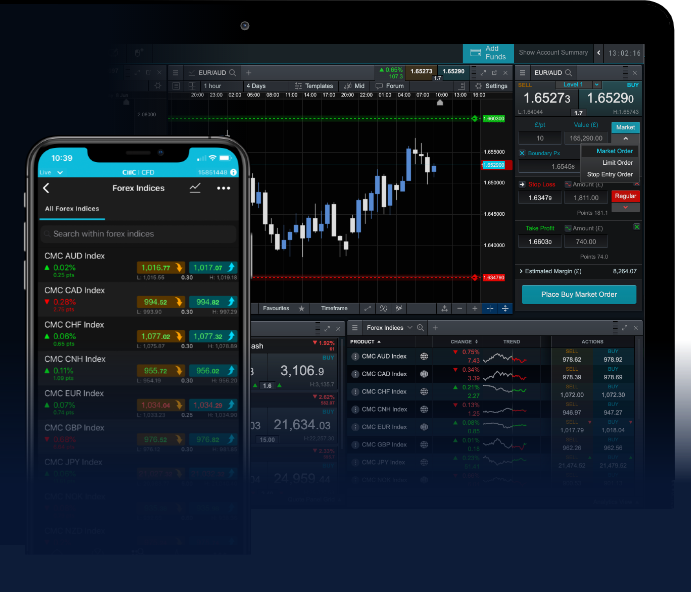
- Trading Platform: Make sure the trading platform supports the tools necessary for position trading, including analysis tools and resources.
The Role of Psychology in Position Trading
One of the biggest challenges in position trading is managing one’s emotions. Discipline is vital; traders must stick to their strategies, avoid panic selling during market dips, and resist the temptation to re-enter the market prematurely. It’s essential to develop a trading plan and adhere to it. This includes defining your entry and exit points, setting profit targets, and using risk management strategies.
Final Thoughts
Position trading can be an effective trading strategy for those willing to invest the time in research and education. By focusing on long-term trends and developing a solid understanding of the forex market, traders can take advantage of significant price movements and often realize larger profits than those who engage in short-term trading. Combine careful analysis with the right broker and a disciplined approach, and you will improve your chances for success in the forex market.
